01
What the 30-day deadline actually measures
The 30 days belong to the story of Coen trying to save his family; they are not 30 real-world days or 30 missions. Bandai Namco describes the deadline as a resource tied to meaningful objectives. That distinction matters because you can inspect the world at your own pace, then decide which commitments are worth advancing Vale Sangora's state.
02
Only indicated actions spend time
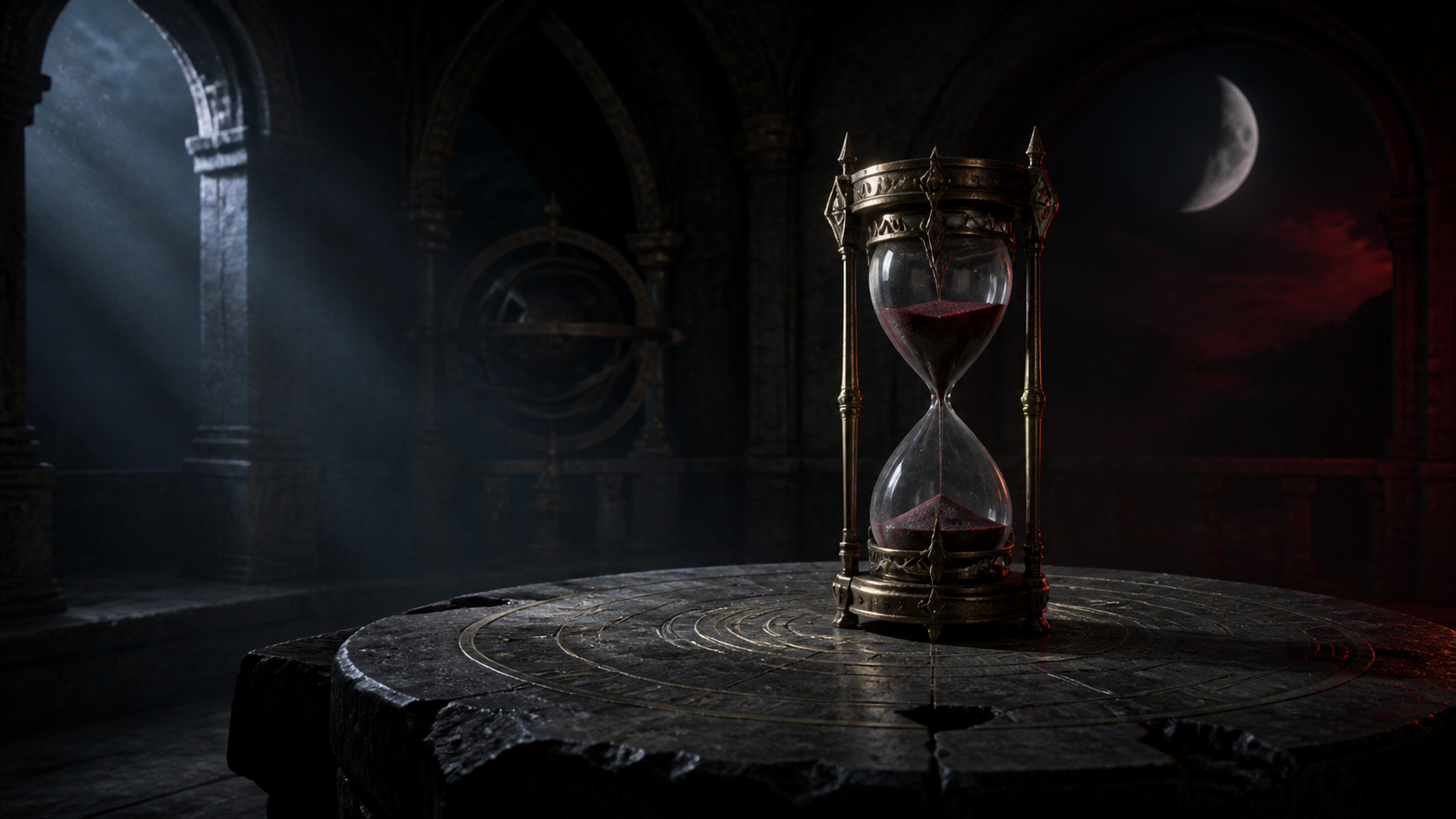
Major actions can move the clock, including parts of side quests, selected dialogue choices, and learning certain abilities. The interface shows an hourglass and the cost before commitment. Rebel Wolves gave concrete examples: a confession with Father Florin costs one segment, while returning after solving the missing caretaker quest can cost two. Some quest steps cost nothing.
03
Exploration does not run down the deadline
Walking, scouting, listening, examining routes, and discovering locations do not continuously drain the 30-day resource. You can therefore gather leads before spending a segment. The safe planning pattern is to reveal nearby activities, compare their displayed costs, and then choose a commitment. Changing day or night should still be checked in the interface because selected transitions can advance time.
04
Running out of time is not an automatic game over
Both the PlayStation interview and the developer AMA say the campaign does not simply end when the family deadline expires. The world continues and the player deals with consequences. This does not make the deadline meaningless: missed people, changed quests, and altered outcomes may remain part of that route. The exact consequence set requires release-build verification.
05
How much of the game can fit into one route
The developers say a majority of the game can be completed before the clock expires, but they do not promise that every branch fits into one run. Internal pre-release playthroughs were taking roughly 55 to 70 hours. Use that estimate only as scope context, not as a guaranteed personal completion time or proof that every optional storyline can be cleared together.
06
A practical low-stress planning rule
Treat every visible time cost like a limited quest currency. Explore first, save before a clearly marked commitment when the release build permits it, and group goals by location and desired outcome. Do not optimize from an unverified checklist: a consequence-heavy story can make the most interesting route different from the route that merely preserves the largest number of unused segments.
Questions
What players ask
Is Dawnwalker's time limit real time?
No. The clock advances through clearly indicated actions and choices, not while you freely walk around or pause to inspect the world.
Does the game end when 30 days expire?
No automatic game over is confirmed. The story continues with consequences, although the exact affected quests and outcomes await release testing.
Do side quests consume time?
Some side-quest stages do, while other stages do not. The interface indicates the cost before a time-spending action is confirmed.
Can you complete every quest in one playthrough?
That is not confirmed. Developers say a majority can fit before the deadline, while the nonlinear structure supports mutually different routes and outcomes.
How long is The Blood of Dawnwalker?
Pre-release internal runs were taking approximately 55 to 70 hours, but this is not a guaranteed completion time for every player.